Why Most Creators Measure the Wrong Things
The Metrics Were Never the Goal

UNUM Staff
Everyday Social Tool
Views, likes, followers, reach.
These numbers dominate creator dashboards, brand deals, and platform conversations. They’re visible, easy to track, and constantly refreshed.
But they’re also lagging indicators — not levers.
Most creators aren’t stuck because they lack growth.
They’re stuck because they’re optimizing for signals that don’t explain why growth happens.
Metrics tell you what happened.
They rarely tell you what to change next.
The Problem With Outcome Metrics
Outcome metrics feel productive because they’re concrete. You can screenshot them. Share them. Compare them.
But they have three critical flaws:
They update after the fact
By the time views or engagement change, the creative decision has already been made.They collapse complexity into a single number
A post that underperforms could fail for dozens of reasons — timing, format, positioning, audience mismatch — but the metric doesn’t tell you which.They encourage reactive behavior
Creators chase spikes instead of building systems. One viral post resets expectations. One miss triggers doubt.
The result is constant course-correcting without understanding the terrain.
What Creators Think They’re Measuring
When creators track metrics, they believe they’re measuring:
Audience interest
Content quality
Personal growth
Creative momentum
In reality, they’re often measuring:
Platform volatility
Algorithmic distribution
Timing luck
Trend alignment
None of which are stable foundations for long-term strategy.
This disconnect is why creators feel like they’re “working hard but learning nothing.”
The Metrics That Actually Change Trajectory
Creators who last don’t obsess over performance spikes.
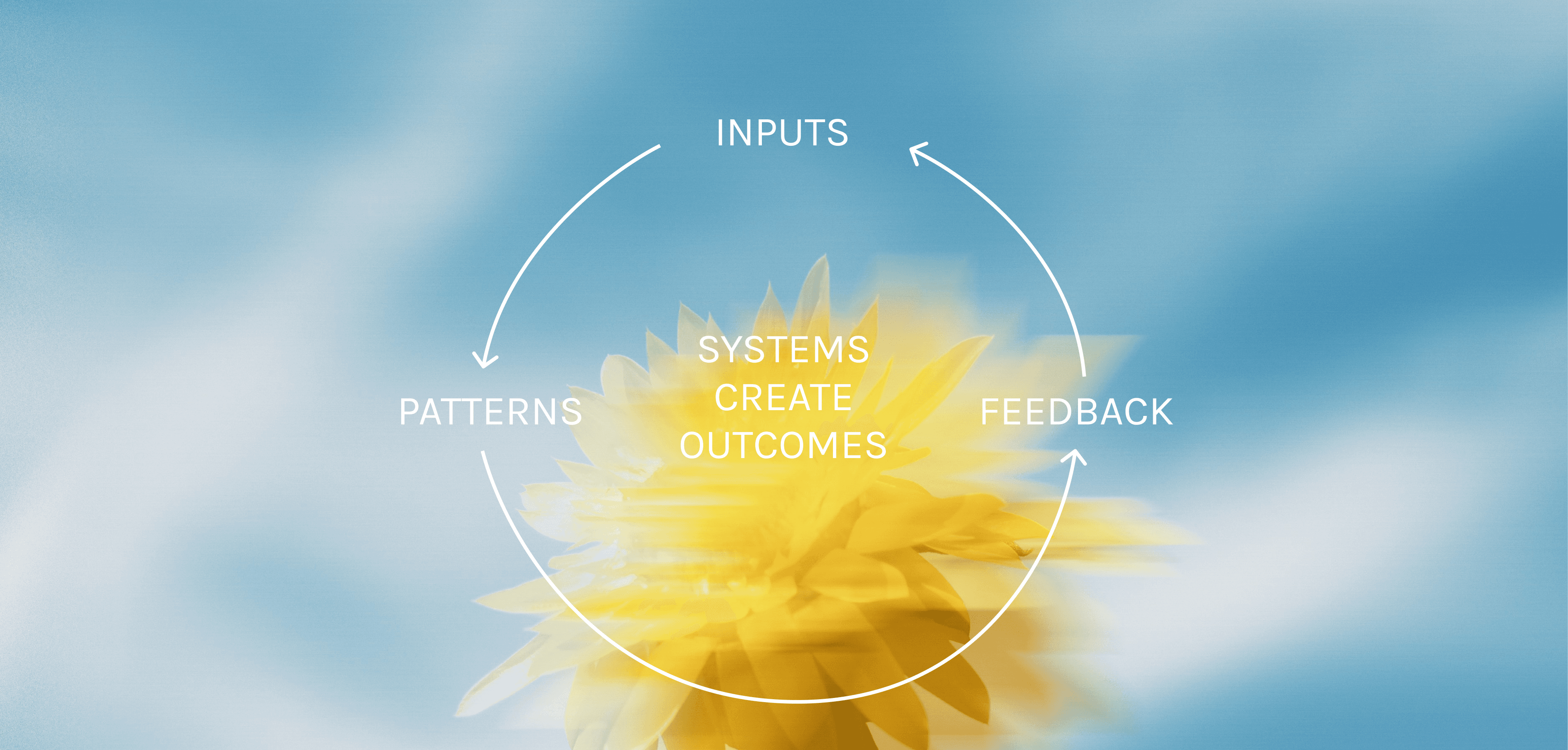
They track inputs and patterns:
How often they publish without stress
Which formats feel repeatable, not draining
Which topics compound understanding over time
Where audience behavior is consistent, not explosive
Instead of asking “How did this post do?”
They ask “What pattern does this reinforce?”
That shift changes everything.
From One-Offs to Systems Thinking
Most creator dashboards are built for content consumption, not content design.
They reward:
Virality
Frequency
Reaction speed
They ignore:
Decision load
Workflow friction
Creative sustainability
But creators who scale do something different:
They design their process before scaling their output.
Less chaos → more consistency
More consistency → more trust
More trust → sustainable growth
Metrics start supporting the system — not dictating it.
Why This Feels So Hard to Unlearn
Creators are taught to “listen to the data,” but not how to interpret it.
So they default to what’s loudest.
When metrics spike, they feel validated.
When metrics dip, they assume failure.
Over time, this trains creators to outsource confidence to dashboards instead of building internal clarity.
The real skill isn’t reacting faster.
It’s measuring the right layer of the work.
The Quiet Advantage
Creators who grow steadily often look boring from the outside.
No viral whiplash.
No dramatic reinventions.
No constant metric screenshots.
But behind the scenes, they’re running tighter systems:
Fewer decisions per post
Clearer creative constraints
Repeatable formats
Intentional measurement
They don’t win because they’re more talented.
They win because they know what not to measure.
Closing Thoughts
If a metric doesn’t help you decide what to do next, it’s not a strategy tool — it’s a distraction.
Growth isn’t hidden inside better content.
It’s hidden inside better measurement.
Read more

Join our Newsletter
Sign up to our newsletter for all things marketing.